

Effective Strategies To Manage Water Accumulation In Your Yard
Heavy rains can turn your yard into a mini-lake, leaving you frustrated and unsure of what to do next. If you’ve found yourself staring at standing water in your yard, you’re not alone. Many homeowners face this challenge, especially in areas prone to heavy rainfall. Understanding how to implement effective drainage solutions is crucial not just for maintaining your yard but also for protecting your home’s foundation. For those living in regions like Drainage Bergen County, NJ, where rainfall can be heavy and consistent, addressing drainage issues promptly can save you from costly repairs down the line.
One of the first steps in managing water accumulation is to assess the landscape of your yard. Look for low spots where water tends to collect. You may want to consider regrading these areas to redirect water flow away from your home. This might seem like a daunting task, but you can achieve it with a shovel, some determination, and a bit of creativity. Adding soil to raise the low points can help create a natural slope, guiding water away from your foundation.
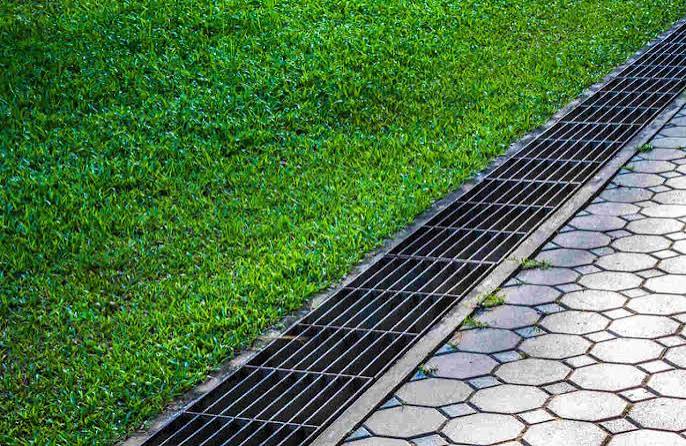
Another practical solution is to install a French drain. This system involves digging a trench and laying perforated pipe at the bottom, covered with gravel. The perforations allow water to enter the pipe, which then carries it away from your yard. While this project may require some heavy lifting and digging, the long-term benefits of reducing water accumulation are well worth the effort. If you feel overwhelmed, hiring a professional can be an excellent option. They can assess your yard and provide tailored solutions to your drainage problems.
Rain gardens are another effective way to manage excess water. These gardens are designed to capture and absorb rainwater runoff from impervious surfaces like driveways and rooftops. By planting native plants that thrive in wet conditions, you can create a beautiful, functional landscape feature that helps mitigate flooding. Not only do rain gardens serve a practical purpose, but they also enhance your yard’s aesthetic appeal.
Lastly, consider your gutters and downspouts. Ensure they are clean and direct water at least five feet away from your home. This simple maintenance can significantly reduce the amount of water pooling in your yard during storms. Remember, addressing drainage issues promptly not only protects your yard but also preserves the integrity of your home, giving you peace of mind amid those heavy rains.